Steve Parrish: Rational and Phased Retirement Planning (TAM Classic)

IN THIS EPISODE, THE ANNUITY MAN AND STEVE PARRISH DISCUSS:
- People don’t understand annuities
- Preparing for diminished capacity
- Life expectancy is good and getting better
- Managing your retirement plan
KEY TAKEAWAYS:
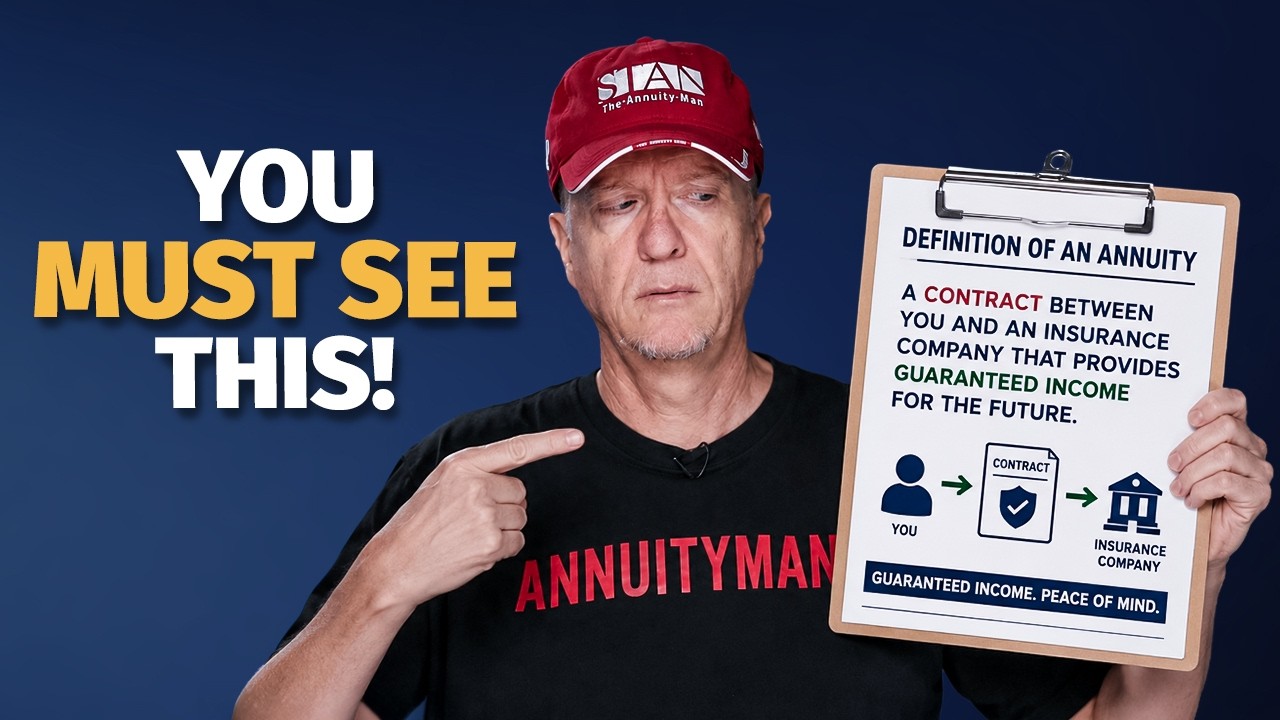
- Annuities are not an investment, it’s a form of insurance that makes investments even better.
- Address problems in advance while you still can. Think about how your bills will be paid, how your money will be invested, and how it can be protected from being abused by others when the time comes that your capacity is diminished.
- Plan to live past the life expectancy age - especially these days where technology was forced to advance to cope with the pandemic.
- Retirement is not just an event, it’s a change in life. Think of the behavioral and emotional aspects of it, not just the money. But when it comes to money, keep these three things in mind: your social security, medicare, and your benefit pension plan.
"Guess who the last person would be that knows that you have diminished capacity - you" — Steve Parrish
Connect with Steve Parrish:
Blog posts: https://www.forbes.com/sites/steveparrish/?sh=61590d633079
LISTEN ON ALL YOUR FAVORITE PODCAST PLATFORMS:
Libsyn: https://directory.libsyn.com/shows/view/id/theannuityman
Stitcher: https://www.stitcher.com/podcast/niceguysonbusiness/the-annuity-man-podcast#/
Apple: https://podcasts.apple.com/us/podcast/fun-with-annuities-the-annuity-man-podcast/id1482993601
Google: https://podcasts.google.com/feed/aHR0cHM6Ly90aGVhbm51aXR5bWFuLmxpYnN5bi5jb20vcnNz?sa=X&ved=0CAMQ27cFahcKEwjgu6j7suzrAhUAAAAAHQAAAAAQAQ Amazon: https://music.amazon.com/podcasts/11fec7ab-59ab-402f-94c7-93860e1694ae/Fun-with-Annuities-The-Annuity-Man-Podcast
Spotify: https://open.spotify.com/show/26y3c7vXgnhfmErLRP3zuM
CONNECT WITH STAN
Call Stan The Annuity Man: 800-509-6473
Website: http://theannuityman.com/
Email: [email protected]
Facebook: https://www.facebook.com/stantheannuityman/
Twitter: https://twitter.com/StanAnnuityMan
TikTok: https://www.tiktok.com/@theannuityman
Instagram: https://www.instagram.com/theannuityman/
Use the Calculators - https://www.stantheannuityman.com/annuity-calculator/
Get The Annuity Man's Books - https://www.stantheannuityman.com/how-do-annuities-work
Schedule a time to talk to Stan - https://www.stantheannuityman.com/book-a-call/
FUN WITH ANNUITIES (r)
0:00
[Music]
0:04
welcome to fun with annuities where
0:06
every single week I welcome a celebrity
0:08
guest expert that can help you maximize
0:11
chapter 2 of your life listen learn
0:14
laugh and love every minute of the most
0:17
unique Financial podcast on the planet
0:21
let's get to
0:23
[Music]
0:28
it welcome to fun with annuities I'm
0:30
your host Stan the annuity man America's
0:32
annuity agent and as you know licensed
0:35
in all 50 states I encourage you to go
0:36
to my site run your own quotes you know
0:38
get my books I'll send them to you for
0:39
free you can schedule a call with me as
0:41
well but this podcast fun with annuities
0:43
we are really enjoying bringing on
0:45
experts in their field to educate you um
0:49
because you know in our world you know
0:51
you buy an annuity for what it will do
0:52
not what it might do those are the
0:53
contractual guarantees and there's no
0:55
urgency to do that the urgency is to
0:57
understand what you're buying Our Guest
0:58
today his name is Steve per he is he's
1:01
got so many um letters and things behind
1:04
his name I don't even know where to
1:05
start but the bottom line he is he is a
1:07
lawyer he is the an Adjunct professor
1:09
for the American college which is in our
1:11
world where people go go to learn to do
1:14
the right thing from the standpoint of
1:15
advice giving advice from a retirement
1:18
standpoint he also writes for a myriad
1:20
of places one of those is Forbes you've
1:22
probably seen him um if not when you see
1:25
the next time you see a Forbes article
1:26
come by by Steve Paris make sure to read
1:29
it so with that that being said in the
1:31
introduction Steve welcome to fun with
1:33
annuities thanks Stan it's nice to be
1:35
here well excellent let's let's start in
1:37
let's jump in I read an article a long
1:39
time ago that um you had these three
1:42
reasons why why you feel people don't
1:45
understand
1:46
annuities um and there's a lot of
1:48
reasons you know because I don't think
1:50
the annuity industry does a very good
1:51
job of educating the public that's kind
1:53
of where I step in and where I hang my
1:55
hat as an edutainer what are those three
1:58
things and and if there are more into
2:00
the more things that are kind of
2:01
confusing the people when they when they
2:03
talk about annuities I think that's a
2:05
good place to start because um really
2:08
annuities are a form of insurance right
2:10
it's just insurance for the longevity
2:13
versus dying too soon and everybody
2:16
understands the concept of insurance but
2:19
they don't want to pay for it or at
2:20
least they don't think they want to so
2:21
they get into things like saying well
2:24
why would I buy an annuity because if I
2:27
die you know two days after I buy I
2:30
don't get my money back so part of it is
2:32
they don't understand the whole concept
2:35
of annuities not being an investment but
2:38
really being a form of insurance uh that
2:41
makes the investment that much better uh
2:43
the other thing is and you even
2:45
commented on it I suppose traditionally
2:48
the uh industry hasn't done a great job
2:50
of explaining it it's not the simplest
2:52
thing in the world and sometimes people
2:54
try to baffle them with their BS a
2:56
little bit right really the concept is
2:59
pretty straight for if you think about
3:00
it the bells and whistles are nice but I
3:03
think sometimes people lead off with the
3:05
bells and whistles of I can you know I
3:08
can make the this guaranteed income for
3:10
life and not really explain what annuity
3:12
is so I think it's really more a matter
3:16
of financial literacy though I hate that
3:18
term um in other words knowing more
3:21
being a little more educated then really
3:22
an annuity is a fairly simple thing and
3:25
you realize that the whole idea of I
3:28
don't want to pay for it is is just
3:29
saying uh they're they're not always
3:32
grasping the idea that some people are
3:34
going to die before their life
3:35
expectancy some are going to die after
3:38
their life expectancy and so really get
3:40
kind of a mortality premium if you live
3:43
afterwards and that's the insurance part
3:45
is hey I may the technology may come
3:48
along I may live to 110 even though I
3:50
didn't think I was going to make it past
3:52
80 this is the advantage of insurance
3:55
it's just kind of the flip side of life
3:58
insurance I I think the annuity industry
4:01
um unfortunately has just has just not
4:04
hurted the cats for lack of a better
4:06
phrase you know when you say the word
4:07
annuity most people think of Lifetime
4:08
income annuities and and those are
4:10
primary the primary types but there's
4:12
many that protect the principle and do
4:14
other things long-term care Etc um but
4:16
they're all guarantees they're all
4:17
transfer risk products my if I was Z for
4:20
the day in the annuity industry first of
4:21
all it'd be a lot of fun second of all
4:23
our Mantra would be got guarantees like
4:25
the got milk ad because these are
4:27
guarantees their contracts and the
4:29
question is what are you trying to solve
4:30
for um and I I've broken it down to an
4:33
easy acronym called pill principal
4:35
protection income for Life Legacy and
4:36
long-term care and always ask people
4:38
what do you want the money to
4:39
contractually do and when do you want
4:40
those contractual guarantees to start I
4:42
really believe it's that simple however
4:44
we've let outside people frame the I
4:47
hate annuities culture which is somewhat
4:49
funny to me because every single person
4:52
you know that has Social Security owns a
4:54
social security annuity the best
4:56
inflation annuity on the planet um why
5:00
do you think that the messaging within
5:02
the industry is so poor because American
5:05
the American college I mean you guys are
5:07
the academics you're the guys with the
5:09
you know with the the Tweed jackets and
5:11
the Ascot and smoking the pipe and
5:12
you're this you're the guys in the tower
5:14
that are smart and we all look to you
5:15
for your guidance and your Insight but
5:18
for the consumer how did things go wrong
5:20
and how did the annuity industry earn
5:22
this bad reputation that we currently
5:24
have I think I think the main thing is
5:27
historical frankly annuities as a are
5:30
really a form of insurance in a very
5:31
positive way and so it gets associated
5:34
with its cousin life insurance and
5:36
people have that um conception of oh
5:40
wait a minute this is something with
5:41
high commissions and where somebody's
5:44
gonna you know break my arm to to do
5:46
that and realize that's all changed um
5:49
when I used to work on very high-end
5:50
accounts dealing with life insurance and
5:53
I'd be talking to the CPA and the CPA
5:54
would give you the same line as you hear
5:56
with annuities is oh we were using
5:58
corporate own life insurance say oh I
6:00
don't like I don't like life insurance
6:02
and I said okay we're not going to call
6:04
it life insurance we're going to call it
6:05
Fred now here's what Fred does and we go
6:07
through it all they get a little laugh
6:09
and say yeah actually that works taxfree
6:11
death benefit and all that same thing
6:13
with annuities I think it's associated
6:16
with the idea that it's somebody's going
6:19
to they're G to take all your money
6:21
right which you could do all kinds of
6:23
things and buy all kinds of things with
6:24
and they're just going to give you back
6:25
a fixed payment as you said they see
6:27
annuity is just this one single fixed
6:30
payment and most of it's going to be
6:32
bled off with commission so I I think
6:34
it's just historical that's why I said
6:36
it's not
6:37
insurmountable people just if they read
6:39
about it and listen to your podcast just
6:42
speaking out loud it makes a lot more
6:44
sense and yes one other comment is I'm
6:47
at an academic institution I don't get
6:49
paid by anybody other than the
6:51
institution and I'm just telling you as
6:53
somebody who works through the numbers
6:55
and does retirement financial planning
6:57
annuities are a very important part of
6:59
the equation and the proofs and the
7:01
pudding that I own annuities as part of
7:04
my retirement plan well and I you know I
7:07
I think that um you know people when
7:09
they say I hate all annuities I say
7:10
that's like saying you hate all
7:11
restaurants or you hate all trucks or
7:13
you hate all shoes and you know I point
7:15
back to the Social Security or a pension
7:17
if they're so fortunate to have one um
7:20
but I I think the annuity industry has
7:22
kind of won the lottery because they're
7:23
in the way whether they want to be or
7:26
not of the biggest demographic tital
7:27
wave of all time which is 10 10,000 Baby
7:30
Boomers hitting age 65 and regardless of
7:32
how bad a sales message may be they want
7:34
guarantees and they're going to find the
7:36
guarantees regardless of interest rates
7:38
political environment Etc one of the
7:40
things that in doing the research my
7:42
team and I were kind of laughing on one
7:43
of the your pound the table three
7:45
everybody has three words um and yours
7:48
is refuse to
7:50
retire um which which I thought was was
7:53
good and um I always tell people that
7:56
are retirees are thinking about being
7:58
becoming retired or or pointing toward
8:00
that there's a chapter two in your life
8:04
that falls under your category of refuse
8:07
to retire expound upon what that means
8:09
to you right and I think this helps with
8:12
a lot of people to think of it this way
8:14
there is financial retirement and then
8:16
there's emotional retirement so because
8:19
of my Advanced age you couldn't tell
8:21
from this picture I look so young but I
8:23
am a person of a certain age who
8:25
qualifies not just qualifies I'm on
8:27
Medicare and I am getting Social
8:29
Security payments so financially I'm
8:32
retired I also get a pension plan from
8:34
my former
8:35
employer but obviously I'm not
8:38
emotionally retired I I work a a full
8:41
schedule I I travel well now that Co
8:44
19's being controlled and I write and
8:47
all these things so in my mind um I'm
8:50
like a lot of people that you may run
8:51
across who almost bristle when they look
8:54
at me and say oh you must be retired and
8:56
it's kind of why do you assume I'm
8:58
retired so so that's the refuse to
9:00
retire thing is it's nice to have the
9:03
option now some people really like it
9:06
and um we a lot of research tells us
9:09
that once people go through the
9:11
emotional part of actually retiring once
9:13
they're retired most people really enjoy
9:15
it yes there's the fear of um being
9:19
bored and you they turn out guess what
9:21
you can't golf every day but most people
9:23
do enjoy it but a lot of us also enjoy
9:27
working and so that's what I mean by
9:29
refuse to retire as long as I can do and
9:32
add value I'm going to and I came up
9:35
with a phrase recently called life
9:36
entrepreneur chapter two you become your
9:38
the entrepreneur of your life the
9:39
managing of your company that which is
9:41
you and your family and your assets and
9:43
your retirement and your planning and
9:45
your legacy and your health um and I
9:48
think you know everyone is is going to
9:50
transition hopefully to that life
9:51
entrepreneur stage but I just love the
9:53
refused to retire one of the um kind of
9:56
pivoting to a harder topic um one of the
9:59
Articles you wrote recently in Forbes um
10:03
and when I read it it everybody falls
10:06
under this situation and everybody can
10:08
point to someone that they know and the
10:09
title of it I'm going to read the title
10:11
was getting ahead of your diminished
10:15
capacity
10:17
worries and I need you to go into that
10:20
because that's that's that's just you
10:22
know you're you're stepping into a realm
10:24
that we all know that's that's going to
10:26
happen to all of us but it we all
10:28
hesitate to plan for it so kind of walk
10:31
us through what you think that means how
10:34
we should approach it the possibility of
10:36
an income floor using annuities helping
10:39
with that certainly that's been an in an
10:42
area of interest for me and to be honest
10:44
and partly because uh you know
10:46
recognizing the age I just said I'm I'm
10:48
getting at a lot I have a lot of friends
10:50
that it it's become almost a lab for
10:53
watching what happens in retirement
10:55
because a lot of my friends that are
10:56
similar ages are now retired and I'm
10:58
starting to notice certain aspects of
11:01
diminished capacity so it's it's really
11:03
thinking about it this way is first what
11:06
what is Def diminished capacity it's not
11:09
necessarily a long-term care event it's
11:11
not Alzheimer's that certainly is a form
11:14
of it but um and it's not just because
11:16
you can't remember uh names as easily as
11:19
you did before it's somewhere in there
11:21
it's not full-blown dementia is what
11:23
you're saying you're saying it's it's
11:24
the it's the stage of life where you
11:26
know that you know you got an 8-cylinder
11:29
engine but you're hitting on five
11:30
cylinders right yeah and some of those
11:33
cylinders might for example be um you're
11:36
you're perfectly functioning
11:37
everything's fine but you don't like
11:39
working with your monthly bills you
11:42
really don't like to have to make
11:43
investment choices and that kind of
11:45
thing so your capacity financially is
11:48
diminished but it doesn't mean you've
11:49
you've lost it and you're going into the
11:52
home so that's the that's the issue is
11:57
how do you address that in Advance
11:59
because guess who the last person will
12:01
be that knows you have diminished
12:03
capacity it's you you yeah that's true
12:06
that's a really good way to put it um
12:09
and I talked to Jamie Hopkins recently
12:11
he says you know forget Roi it's Ro it's
12:13
return on sleep and really what he's
12:15
saying is you you know taking care of
12:18
yourself chapter two of your life and
12:19
and the diminished capacity prediction
12:23
one out of one of us is going to have it
12:25
right right um and and how do you see
12:28
the
12:29
the annuity space or the industry
12:32
addressing that and do you think that as
12:34
an industry we might be a little
12:36
proactive even though it steps on a few
12:38
emotional
12:39
toes well I think that's a very strong
12:42
point because annuities are um really
12:46
it's a do-it-yourself defined benefit
12:48
plan if you think about annuities I
12:51
sometimes call it a DIY DB meaning my
12:54
dad you know had his his government
12:56
pension and and it was he didn't have to
12:58
think about so retirement was fine from
13:01
him he got his check right um most of us
13:04
you know are looking at 401ks and we're
13:06
dealing with sequence of return and
13:07
we're dealing with all these issues and
13:10
so what you're doing and that's why I
13:12
want to bring diminished capacity into
13:14
it is as you uh retire maybe you even
13:18
don't have diminished capacity you just
13:20
don't want to deal with it anymore the
13:23
fact is if you know that you have number
13:25
one a stream of income that's
13:27
predictable and number two that it will
13:30
continue for the whole of life because
13:32
you don't know how long you're going to
13:33
live so it picks up the tail end if you
13:35
will of longevity that brings huge peace
13:39
of mind and security so where I'm going
13:42
with annuities as part of that solution
13:45
is that IT addresses those two questions
13:48
and when you're just not wanting to deal
13:51
with finances that's one thing when you
13:53
actually have diminished capacity then
13:55
it becomes extremely powerful because
13:58
one you you're getting the income and
13:59
you don't have to worry about it and two
14:01
it can very much help with elder abuse
14:05
so if you're sitting on a million
14:08
dollars of a 401k plan and taking 4% of
14:10
it every year that can expose you to
14:14
elder abuse if you're starting to lose
14:16
it and don't know it if instead you've
14:18
used a reverse mortgage or annuities or
14:21
those kind of things that lock in a
14:22
stream of payment it's harder for that
14:25
culprit uh which might be your kids um
14:29
to really raid the kitty because you're
14:31
getting a periodic payment much as our
14:33
grandparents got defined benefit plan
14:36
payments well and I think it's important
14:38
to point out a lot of people out there
14:40
think well the evil annuity company is
14:41
going to keep the money and you know
14:42
when I die money's going to go poof
14:44
that's one of about 40 ways to structure
14:45
it contractually and most of the ones uh
14:48
the the lifetime income streams that we
14:50
um you know structure for people in all
14:52
50 states uh the annuity companies on
14:54
the hook to pay but if you your lar jet
14:56
hits the mountain and you die then 100%
14:59
of any unused money goes to your
15:00
beneficiary so I think that's one of the
15:02
biggest misconceptions out there as you
15:04
were speaking I was thinking about it we
15:06
always think about Legacy products being
15:08
life insurance and and it really life
15:10
insurance is the best Legacy product on
15:12
the planet it's the best return on
15:13
investment you'll never see because
15:14
you're dead but it it transfers taxfree
15:18
probate free lump sum but in a
15:20
diminished capacity planning
15:24
scenario lifetime income annuities with
15:27
a cash refund that that all the money
15:29
goes to the family or the trust if you
15:31
die to me that's a really good Legacy
15:35
product as well would you
15:37
agree I'd agree and I'd even add to that
15:40
that the Legacy doesn't have to
15:41
necessarily be a lump sum so just as a
15:44
different example of that um I had some
15:47
life insurance that had over six figures
15:49
of cash value in it and as we moved in
15:52
in a phase of Life didn't need that we
15:54
had some other insurance um as you know
15:57
there's a thing called a 1035 exchange
15:59
it allows you to exchange it the cash
16:01
value taxfree to an annuity and by the
16:03
way for the people out there 1035 is a
16:05
reference to the IRS code if you're so
16:07
bored you can pull up section 1035 and
16:10
read it where it's a non taxable event
16:12
does not trigger any taxes and I I do
16:14
agree with you Steve that you can set up
16:16
what's called installment refund which I
16:18
always joke with my two daughters that I
16:20
don't want them getting the cash refund
16:21
because they'll just show up at the
16:23
funeral in a Lamborghini I want to
16:24
making payments on the Lamborghini you
16:26
know they're G to show in it anyway so
16:28
but yeah you can structure the death
16:30
benefit of an annuity it's customizable
16:33
you could have a cash refund you could
16:35
have installment refund installment
16:36
refund in Ence is a period certain to a
16:38
life expectancy you can do whatever you
16:41
want um the the annuity companies are
16:43
just going to bid on it because this is
16:44
a commodity product I I apologize for
16:46
interrupting but go ahead well and I'll
16:49
just add the third point so you know you
16:51
could do the lump sum as we started with
16:53
and then you said you can do installment
16:55
sure um I'll put you in the mindset of a
16:58
a person of my age and what we looked at
17:00
because I've been married for you know
17:01
42 years we looked and said that life
17:04
insurance was on my life if I who's the
17:06
main uh bread winner die you have this
17:09
money but we're at that phase where it's
17:11
not as big an issue but you still now
17:13
want an income we have social security
17:15
and other things so what we did is
17:17
actually had that annuity pay over our
17:21
joint life ni and so to me that's a
17:23
death benefit in the sense that we don't
17:25
know which one of us will go first but
17:28
my wife will take comfort in knowing
17:30
that if I'm the first one to go and you
17:32
know it's always the other one that's
17:33
going to go first absolutely yeah that's
17:35
just rule of thumb um she will have the
17:38
death benefit but the death benefit is
17:40
an income stream and a retiree thinks of
17:42
income streams more than lump sum so
17:44
that's where I was going with that idea
17:46
and what people need to understand about
17:48
joint life income stream what Steve was
17:50
was um just explaining is that income
17:52
stream continues uninterrupted and
17:55
unchanged for the life of the spouse or
17:57
partner which I think is a lot of you
18:00
know a lot of the the people that
18:02
getting back to the diminished capacity
18:04
um category in in the topic a lot of
18:07
those a personality gentlemen that call
18:09
me and set up the lifetime in joint
18:11
lifetime income they're taking care of
18:12
their wives and that's that's admirable
18:14
but I do um I find myself pivoting more
18:17
and more speaking to people about you
18:19
know I know you're sharp as attch now
18:21
Fred or whoever the guy's name is or
18:23
lady's name is Francine but have you
18:25
thought about when you're not hitting it
18:27
on all cylinders and what you need to do
18:29
to put something in place so that your
18:31
that your heirs don't have to deal with
18:33
that from a durable power power of
18:35
attorney standpoint know you're lawyer
18:37
and you specialize in these type of
18:39
things um do you see that being more
18:41
prevalent I know that you teach that
18:43
within your courses at the American
18:44
college but do you see that being more
18:46
prevalent as we get
18:49
older that's certifiable I mean in other
18:51
words there's plenty of actual hard data
18:55
to talk about age is one of the key
18:58
determinant
18:59
in diminish capacity I mean certainly
19:01
there are other morbidity issues that
19:03
can get you but but unquestionably if
19:05
you say what's the biggest one we all
19:07
know that as you get older your mental
19:10
your this sounds a little scary but your
19:12
capacity probably starts slowing down
19:15
around age 50 that doesn't mean that
19:17
we've all lost it after 50 but that's I
19:19
can vouch for that I can vouch for that
19:21
Steve it's it's starting to
19:25
slip but it is what it is I mean and
19:27
it's something that uh as an estate
19:30
planning um expert like you are and by
19:33
the way you know who you're listening to
19:35
is Steve Parish he's got cowboy boots
19:36
older than most of you out there uh
19:39
that's that's even looked at Investments
19:40
he's been doing this for over four
19:41
decades we're going to have a specific
19:43
page set up for him on my site at the
19:45
annuity man.com so you can relisten to
19:47
this and if you want to shoot him an
19:48
email you can um but but he is one of
19:51
the gurus in our space um and and a
19:55
thought leader in our space when it
19:57
comes to um retirement life insurance
20:00
annuities understand that life insurance
20:02
companies issue annuities um one of the
20:05
other things I want to kind of pivot to
20:06
is is what you have done a lot of work
20:08
on which is called phased retirement can
20:12
you kind of dig into that so the
20:14
listeners and viewers can understand
20:16
what phase retirement is and how that
20:18
applies to them and what they might need
20:20
to
20:21
do I'd love to because that's just
20:23
something I'm experiencing and feeling
20:25
good about it and I'll start with a
20:27
personal example that my father got his
20:30
law degree after World War II became an
20:32
FBI agent guess what the FBI doesn't
20:35
want you uh working till you're 70 and
20:38
so his Encore career sometimes that's
20:40
the term used uh was to be a professor
20:43
in the last I don't know 10 years my
20:45
brother was a business executive after
20:47
doing one too many mergers and
20:49
Acquisitions um in his last phase became
20:51
a professor and guess what I was a
20:54
financial advisor and worked I was an
20:56
executive at an insurance company this
20:58
is my life last phase so that would be
20:59
an example of um a family that does
21:01
phase retirement but what I'm getting at
21:04
for most people is that the market has
21:07
changed you're going to live longer on
21:09
average actu earily and jobs generally
21:13
have become less manual there's not as
21:15
many ditch
21:16
diggers and so that means you're going
21:18
to live longer and the kind of job
21:20
you're involved in you may be able to do
21:23
longer um so people are looking and
21:26
going either because they want to work
21:28
more or because they need to work more
21:31
they'd like to have some options the
21:33
phase retirement and there's certainly a
21:34
lot of data suggesting this is where
21:36
people are going the golden watch
21:37
concept of you know you work your 40
21:39
years get your golden watch and you're
21:41
done really doesn't um show up that much
21:44
in data certainly people do it so look
21:47
at it this way you can be you can't be a
21:50
ditch digger that works to 70
21:52
realistically right but you could be a
21:54
customer service rep that could work to
21:56
70 if you need to or if you want to sure
21:59
and maybe you don't want to commute to
22:02
Manhattan until you're 70 but would be
22:05
fine on working from your office at home
22:08
until 70 that's what I do I work from
22:11
from home so phase retirement is um it
22:14
can either be with the employer you have
22:16
because a lot of employers are doing
22:17
this and covid-19 certainly made it
22:19
happen where you had to work from home
22:21
whoever knew what Zoom was we thought
22:23
that meant a fast car no clue I had no
22:26
clue what that was but it's amazing
22:28
what's what's Chang and hold that
22:29
thought for a second I was just thinking
22:30
as you talk my parents were both they
22:32
retired as as school teachers in the
22:34
state of North Carolina and their Encore
22:37
um I guess job after that is they were
22:40
volunteer well they they were paid I
22:42
call them volunteer they get paid a lot
22:44
at the Charlotte Coliseum and they would
22:46
they would go to the Hornets games and
22:47
they were ushers and they'd see all the
22:49
concerts so they saw every game and
22:51
every concert that went through
22:52
Charlotte that was their Encore um job
22:55
after the real job uh so when you said
22:57
that I'm like yeah you my parents kind
22:59
of did that which was cool they would
23:00
tell me about the Grateful Dead concert
23:02
or the ACDC concert they just saw and
23:04
I'm like that's incredible so keep going
23:06
with the phase retirement this is
23:08
interesting yeah I it's it's where
23:10
things are going whether we like it or
23:11
not and I think we should like it
23:13
because employers are are accommodating
23:15
that kind of thing I don't have to be um
23:17
the college is actually Philadelphia and
23:18
I'm sitting here in St Augustine so you
23:21
can do that kind of thing now the reason
23:24
I'm interested in that from a financial
23:26
standpoint is that means you're also
23:28
phasing your your finances somewhat so
23:32
um I would state that Social Security is
23:36
almost always something you want to
23:38
delay taking as long as you can ideally
23:41
at age 70 well if you have that kind of
23:44
thing and you're but you want to retire
23:46
before that that's where I was thinking
23:48
about things like annuities because they
23:49
can be Bridge assets they can kind of
23:52
carry you over so that you can leave
23:55
that let's say it's a six-figure job and
23:58
now what you're going to be doing is
24:00
working part-time or some of it's
24:02
volunteer so you're not making as much
24:04
your cash flow has slowed down but you
24:06
don't want to start taking social
24:07
security so my my interest in Phase
24:10
retirement in the financial side is what
24:13
Financial assets can we do to help you
24:15
bridge and to provide some of that cash
24:17
flow to accommodate this change in your
24:21
life interesting interesting I I and I
24:24
think that as people get older and the
24:27
funny thing about Co not funny it's been
24:28
tragic but I I think the interesting
24:30
thing about Co is I believe that it will
24:33
actually increase our life expectancy
24:35
because it's been a wakeup call from a
24:37
health standpoint for all of us to get a
24:39
little bit more healthy even though the
24:41
government doesn't want to say that I
24:43
guess that's not politically correct for
24:44
them to say hey let's get in shape let's
24:46
lose some weight but I think we all are
24:48
saying wait a minute life is fragile um
24:51
and I do think life expectancies after
24:52
we come out of this Co thing will be
24:55
longer because the one great thing about
24:58
this country is that we learn and we
25:01
adapt and we try not to get hit with the
25:05
same type of problem you know two times
25:07
in a row and I do think that there is so
25:10
much proactivity on the on the the
25:12
biotech side and the pharmaceutical side
25:14
that that's just a great part about this
25:16
country do you agree with that do you
25:18
think we'll come out of this and maybe
25:20
life expectancy might
25:23
increase I think that's it's a given
25:26
unless we have something you know a
25:27
black SW event as they call it again
25:30
like this but but what's going on is
25:31
really last year was interesting if you
25:33
think about this is um mortality
25:38
increased basically meaning people were
25:40
dying one year sooner from a pure
25:43
mortality standpoint last year and yet
25:47
the IRS has new tables kicking in in
25:49
January one of this next year where they
25:52
assume your life expectancy is two years
25:54
longer than it has been in the past
25:57
meaning that you need these because the
25:59
IRS basically says if you have IRAs once
26:02
you hit 72 we're going to make you take
26:05
some of those out we have to use these
26:06
mortality tables and actually they are
26:09
assuming that people my age are going to
26:11
live two years longer than in the past
26:13
so where I'm going with this Stan is yes
26:16
there was a hit to mortality but it was
26:20
very much in the elderly Market put away
26:23
the TVs and all that it was basically in
26:25
kind of that 80 plus Market it was
26:27
otherwise ality really in macro wasn't
26:30
that much and Technology continues to
26:34
improve and as you point out I think
26:35
people maybe are getting better about
26:38
their their personal habits especially
26:40
when people retire they they tend to
26:41
realize their new job is to take care of
26:44
themselves no I agree it kind of feeds
26:46
into what um I was doing a podcast with
26:48
Tom hegna the other day and he's
26:50
pounding the table literally in St Stan
26:53
at this time the mortality credits are a
26:56
bargain he he just thinks that the
26:58
mortality credits right now you should
27:00
take advantage of because just remember
27:02
if if the prediction of the annuity
27:04
company is that you're going to live
27:05
longer that means they're going to be
27:07
more payments which means the payments
27:08
will be lower that's that's the that's
27:11
the simplistic explanation of what Tom
27:14
was pounding the table on on mortality
27:16
credits and it and it really kind of
27:17
leads in on what you were saying which
27:19
is yes there was a blip in the screen
27:21
and not to be not to be morbid but a lot
27:24
of those people were very close to
27:26
passing away um at the age in the 80
27:30
range and they just did with covid
27:33
unfortunately it was
27:34
tragic um and I had three friends my age
27:38
die um tragically too so it happened all
27:41
over but the point is I do think that
27:44
you know people always ask me is it the
27:46
right time to buy annuities and they're
27:48
always focused on the interest rate part
27:50
of it which is a secondary pricing
27:52
mechanism for life expectancy I think
27:54
between you and what Tom hegan you know
27:56
I've done some others with with Wade and
27:58
and Jamie they're all saying hey I think
28:00
it's actually a good time that's not a
28:02
sales pitch that's just a factual and
28:05
mathematical reality of what's happened
28:08
and I and I just find it interesting
28:10
once again Steve if me and you were
28:11
running the annuity industry the ads
28:14
would would already be running take take
28:17
advantage of today's mortality credits
28:19
lock in your lifetime income right now
28:22
yeah people don't understand and I I get
28:26
why because it can be complicated but
28:27
risk pooling there is no way you as an
28:29
individual yes can plan for your average
28:32
age the fact is if your life expectancy
28:35
is 84 you might live to 94 and what are
28:38
you gonna do then you know are you gonna
28:41
eat C food and live in your car so you
28:44
can only you have to plan for longer
28:46
mortality than the life expectancy table
28:48
say that the insurance company doesn't
28:50
have the same problem they can price
28:53
their products for average mortality and
28:56
so what you're doing is you're
28:59
essentially letting them have the
29:00
problem of who dies first rather than
29:02
you having it and so that's that that
29:04
mortality premium that that Jamie or
29:07
waiter talk about that's what we're
29:09
getting you can't personally do that you
29:11
have to kind of buy your way into that
29:13
with the insurance company and that's
29:15
again why people like me go out and buy
29:17
annuities it it just makes sense because
29:19
I don't want to have to worry about it I
29:20
got other things to do you said the word
29:22
plan in there and it jumped out in my
29:24
head
29:25
about kind of the current you know
29:28
current tax law it's kind of in flux you
29:30
wrote an article recently that that
29:32
jumped out because I remember when you
29:33
said that like there was an article you
29:34
did recently on that about how to plan
29:37
how do you plan right now when you know
29:40
Washington DC is as dysfunctional and
29:43
that's saying a lot as we've ever seen
29:45
it um and and you know whether they're
29:48
dysfunctional or not there's 60 there's
29:50
there's you know 10,000 people turning
29:52
65 every day they've got to do something
29:54
they got to plan all right Steve Parish
29:57
balls and your court what do we do well
30:00
and I I tend to uh eat my own word
30:04
sometimes in the last few weeks because
30:05
we're all going through this and uh I
30:07
just saw a couple hours ago the latest
30:10
versions come out um one thing I've said
30:13
that might help just as a way of
30:14
thinking about it is you know how a
30:16
traffic light works so you have green
30:19
yellow and the red in my mind is the
30:22
things that Congress people come up with
30:24
that you know is not going to pass so
30:26
maybe on the more liberal side it could
30:28
be this big wealth tax on the more
30:30
conservative side they've talked about
30:31
getting rid of the estate tax right
30:33
neither one of those are likely to
30:35
happen don't build that into your
30:36
planning I mean you know never say never
30:39
but it's not gonna happen be rational be
30:42
rational yeah certainly just wait and
30:44
find out what happens now the green
30:46
light means people have forgotten that
30:48
there is a thing called a secure act
30:50
that was ped back at you know just
30:53
before covid hit and most people haven't
30:55
changed their plans to deal with that
30:57
for ex example now you don't have to
30:59
take required minimum distributions
31:00
until 72 you have to take it at 70 and a
31:03
half once you pass on and if you have
31:06
inherited annuities the rules change
31:09
quite a way a bit what I'm getting at is
31:11
that's green light that is tax law and
31:14
let's worry about the existing stuff
31:16
like that before we worry about what
31:18
they're doing in Disneyland East
31:20
otherwise known as
31:23
DC and I guess the where you're probably
31:26
wonder okay what's the yellow light
31:27
that's the caution one but you know what
31:28
I am figuring out and this is someone
31:31
who's a tax attorney in many
31:33
ways a lot of those really only deal
31:37
with AF very affluent to wealthy people
31:41
um so a lot of the things being talked
31:43
about we've been rushing around madly
31:45
and we've most of us have realized we
31:47
probably uh were right to just hold
31:50
because they keep changing the rules so
31:52
how do you plan for it um when you
31:55
really scrub all that away a lot of that
31:57
is known
31:58
you plan for it the way you would have
32:00
before Congress got at it or after a lot
32:02
of the rules aren't going to change I
32:03
mean the taxation of annuities I don't
32:05
think is going to change there's nothing
32:07
out there to suggest it so long way of
32:09
saying you go with the green stuff keep
32:12
an eye out for the yellow but for most
32:14
consumers a lot of that is for the ultra
32:16
high net worth and and high net worth
32:18
individual and I think that's a great
32:20
way to look at it which is the green is
32:22
what what we need to plan for right now
32:25
the yellow is is something that you can
32:26
rationally see happen happing red stuff
32:29
like another red one that I think is R
32:31
hope it's red is I've read some things
32:34
about our friends in DC messing around
32:37
with the Roth IRA and um I I have
32:41
predicted that ever since you know they
32:42
walked out of the building and and pass
32:44
the Roth IRA I'm like they're trying to
32:46
figure out how to tax it because and
32:48
hopefully that is a red one but that
32:50
might be a yellow one for now just to
32:52
see what they're going to do but I do
32:54
think that people need to get up to
32:55
speed and we can get you up to speed if
32:57
needed on on the SEC the secure act and
32:59
all of the stuff that's green that's
33:01
going to be there um so that you can
33:04
make those plans but I certainly
33:06
wouldn't hesitate or put off a plan
33:09
based upon some
33:12
newscast or something you read because
33:16
um nobody really knows you know
33:18
especially in the climate that we're in
33:20
yeah the things that are the at the
33:23
planning level that we deal with are if
33:25
you're going to sell a business maybe
33:27
you sell it now keep the capital gains
33:29
down or um some very sophisticated trust
33:32
planning with life insurance but in the
33:34
world that a lot of what you deal with
33:36
annuities and roths and all that um I
33:40
don't think there's anything to worry
33:41
about you know they're talking about
33:42
putting a maximum on Roth I wish I had
33:44
the kind of money they're talking about
33:46
you know these are very large amounts
33:48
before you have to worry about it so
33:50
well what triggered the whole raw thing
33:52
is the the hedge fund guy that started
33:53
with the Roth and he put his 5,000 now
33:56
it's worth five billi
33:58
yeah um and that made everybody mad and
34:01
he played by the rules now he's he had
34:03
some insight and some sweetheart deals
34:05
from the standpoint of IPOs and things
34:07
like that we can go into that later but
34:09
that's what's triggered all this is one
34:11
guy now that has a five billion with a B
34:14
dollar Roth IRA that he can now take out
34:17
tax-free and that's driving some DC
34:19
politicians absolutely bad which I think
34:23
is kind of is kind of funny um Steve
34:26
some of the courses that you teach at
34:28
the American college um just the just
34:31
fantastic I I wish that in the future
34:34
those could be you could do maybe a
34:36
Hillsdale College model where Hillsdale
34:38
College teaches a course to their
34:40
students on the Constitution but they
34:42
open it up to the public um I'm not some
34:45
right-winger I'm not a left Winger I'm
34:47
I'm a capitalist but I think that's a
34:48
good idea but in looking at your courses
34:51
you know one of them that kind of jumped
34:53
out was just managing the income plan
34:55
and I know that you're you're you're
34:57
approaching
34:58
in your in your course content to the
35:00
adviser and the agent and the ra and and
35:03
the C you know the cfp and those people
35:06
and the
35:07
semas for the consumer managing the
35:11
retirement plan means what to
35:13
you that's a that's a great way of
35:15
looking at it because we only have so
35:17
much bandwidth and interest and really
35:20
man first of all think that retirement
35:22
is not just an event the people think
35:25
well I take care of Medicare I take care
35:27
of social security and and everything
35:28
else continues the same not not really
35:32
um especially when you truly retire
35:34
you're going to have time in your hand
35:36
you're going to be with your spouse in a
35:37
way you've never been before all those
35:39
kind of things so you have to kind of
35:40
think of it as truly a change in life so
35:43
part of it is the behavioral or
35:45
emotional part not the money right as
35:47
far as when the the events you think
35:49
about for money I would just bring up
35:51
three key things one is your Social
35:54
Security decision is absolutely key even
35:57
for the affluent because of the way it's
36:00
structured you can take it between 62
36:01
and 70 and it makes a huge amount of
36:03
difference it does for the rest of your
36:05
life Medicare is incredibly complex I
36:10
apologize I don't know why I didn't come
36:12
up with the law it's nice to have um but
36:14
you see all the the things going on in
36:16
TV because we're in open enrollment
36:18
right you really need to make that
36:20
decision very thoughtfully and you got
36:23
to do it at 65 you can't put it off so
36:26
those are the two big ones but the third
36:29
one that people are still slow to to
36:32
think about is what I mentioned before
36:35
our parents or our grandparents had
36:37
toine benefit pension plans so they had
36:40
a company provided knowing they knew
36:42
they were going to get some money that
36:44
would take care of a lot of it uh now
36:46
they have 401k so suddenly have to
36:48
decide what to do with it also even if
36:51
you had other savings my parents would
36:53
have had savings bonds and passbook
36:56
accounts they called it back then
36:57
basically bank and savings bonds well
37:00
now we have mutual funds and we have
37:02
efts and all all these different things
37:05
so the third stool of that if you take
37:07
Medicare Social Security is what do you
37:10
do with your your 401k the qualified
37:14
side and what do you do with your other
37:15
savings the non-qualified side because
37:18
no one else is going to do it for you
37:20
that's something people like you and I
37:22
have to deal with that our parents or
37:23
grandparents did not deal with and and
37:26
the word that she used to a lot of times
37:28
because the 401K side is the building up
37:31
of assets is accumulation and then I
37:34
think falsely we use the word
37:36
decumulation which just sounds like
37:39
decomposing uh I think we need to change
37:41
that to you know transitioning to income
37:44
transitioning to a pension because I
37:46
think the latest stat that I read is I
37:48
think it's less than 9% of all you know
37:51
private companies offer a defined
37:53
benefit type pension plan which means
37:55
that everyone else if you're not working
37:57
for the government or a very good labor
37:59
union has to figure out how to create a
38:01
lifetime income stream and this is where
38:03
the annuity industry by default going to
38:05
look like Heroes they have the only
38:06
product type that will provide a
38:08
lifetime income strength so they're
38:09
sitting right in front of it of the
38:11
demographic tidal wave uh what makes me
38:14
frustrated Steve is that most carriers
38:17
are pushing the growth story instead of
38:21
the income story now I understand it's
38:23
it's a revenue issue from the standpoint
38:25
of you know the growth products you know
38:27
create more commission and revenue and
38:29
all this stuff which could easily be
38:31
solved if we just put all annuities at
38:33
the same commission level which I know
38:34
is never going to happen but you know I
38:36
Can Dream Steve I can dream about
38:38
sixpack ABS I can dream about that I can
38:40
dream about the Anu industry telling
38:42
people about lifetime income um but
38:46
that's managing your plan I think does
38:48
come down to those three things that you
38:50
mentioned since that was so good I wrote
38:53
down another one of your your um courses
38:57
is is the sources of retirement income
39:00
and I think it would be beneficial to
39:03
the the listeners and viewers for you to
39:05
kind of look at it from a consumer
39:06
standpoint and remind people of those
39:09
sources some of them are pretty glaring
39:12
but you need to you know as you're
39:14
building your income floor as I tell
39:15
people and that's the amount of money
39:16
that's hit in your bank account every
39:18
single month regardless of who's in
39:20
office what contributes to that income
39:23
floor yeah I'm glad you ask it that way
39:26
because and sounds like you probably
39:28
think the same way I do I don't like it
39:29
when you say what's your number at
39:31
retirement what what's that mean you
39:34
can't spend a million well yeah you
39:36
could spend a million dollars of but you
39:39
spend it you'd be sorry you did it's
39:41
really what income you're getting so
39:42
you're looking at your sources of it and
39:44
your sources are either going to
39:46
basically come from the government like
39:48
Social Security um or they're going to
39:51
come from um income that you have from
39:54
an annuity or from your employer if you
39:56
do have defined benefit or it's going to
39:59
come from Capital which means your
40:02
Investments here's a I think a handy way
40:05
of thinking about it and and when I say
40:07
this to to Consumers they kind of goe
40:09
and looked at it this way when you're
40:11
accumulating your assets really what you
40:15
know what is your target is to is your
40:18
return on the money so if you made 8% in
40:20
the market this year AG sure what's your
40:23
risk well we can get fancy and talk
40:25
about standard deviation and all that
40:27
but basically the risk is volatility or
40:30
you know default that kind of stuff not
40:32
so once you retire once you actually
40:34
retire what's your return is not what
40:37
you got in your investment your return
40:38
is what you're paying yourself each
40:41
month because that's you're retired your
40:43
human capital is gone you're not out
40:45
there in you're not really investing
40:47
you're you're I liked accumulating but
40:50
whatever you want to call it you said
40:52
human capital that's you know are they
40:54
copying you Steve because all I hear now
40:56
is is human
40:58
infrastructure I think they someone
41:00
someone absconded your uh your saying so
41:04
human capital what's human capital again
41:07
the ability to work so there you go yeah
41:10
I mean if and I've seen that with a lot
41:12
of people say I'm going to retire for a
41:14
few years and see how it goes but their
41:15
licenses expired or they're staying up
41:18
in the industry stopped and their
41:19
contacts went away their human capital
41:21
expires right so if that goes away then
41:25
you really have to replace it somewhere
41:27
and to finish the the thought I had on
41:29
that is think about it when you retire
41:32
your return is whatever you pay yourself
41:35
what's the risk in retirement the risk
41:37
is essentially that you run out of money
41:39
before you run out of oxygen right do
41:41
you really care if you have zero I mean
41:43
unless you want to leave a legacy but
41:45
you could take care of that with other
41:46
things like life insurance you know so
41:50
you have to look at it different and
41:51
it's a long way of answering your
41:53
question about sources of income really
41:55
in retirement that's your bogey is is
41:58
income um so that can come from those
42:01
things I said but in many cases the
42:03
tricky part is taking the part of it
42:05
that's capital Investments and all that
42:07
and figuring out the magical way to turn
42:10
that into retirement income and
42:11
obviously that's why we're talking about
42:13
annuities and things because sure that's
42:15
the one that tells you you will not run
42:17
out of money before you run out of
42:19
oxygen because it's going to pay out
42:21
during your lifetime you know as long as
42:23
you're breathing and I always tell
42:24
people you need to figure out how much
42:25
risk you want to transfer and must risk
42:27
you on a shoulder and annuities aren't
42:30
for everybody I have the 85-year-old
42:32
that says you know I'm fine in the
42:33
markets go for it knock yourself out if
42:36
you don't need to transfer risk fine and
42:38
then I might have the 47y old that goes
42:39
I'm tired of it okay um and they need to
42:43
transfer risk kind of to close out
42:46
because I think that um you this has
42:49
been fascinating for me because just to
42:51
just to be able to sit down with someone
42:52
like you that's had so much experience
42:54
in the field and and your your fingers
42:56
on the pulse
42:57
of things that are new which is also
42:59
unique that you bring all this
43:01
experience to the table but yet when
43:02
you're you know you work for the
43:04
American college you're with everyone
43:05
else who's the thought leader which is
43:08
exceptional um the retirement income
43:12
process and you teach a course called
43:14
retirement income process strategies and
43:16
solutions and I apologize for keep going
43:19
back to your courses but once again
43:21
these are the type of courses that I
43:23
think would be so beneficial for the
43:24
consumer which is the reason I do the
43:26
podcast because I bring you on to talk
43:27
about it what's the pro what's the
43:30
strategies and solutions that you
43:32
haven't already covered that maybe be a
43:35
nugget of wisdom for the for the
43:37
consumer out there that's either
43:39
pre-retired retired post- retired or
43:41
just trying to be better at retirement
43:44
that's a fair question so without going
43:46
through the the 10 steps that we teach
43:49
sure in uh in doing the process you
43:52
think about first of all what are you
43:53
going to need in retirement and it's not
43:56
necess neily going to be 100% of what
43:58
you had pre-retirement in most cases
44:00
it's going to be somewhat less but just
44:03
because somebody on the internet said it
44:05
was 80% of what you made pre-retirement
44:07
isn't necessarily correct you have to
44:09
think about what expenses am I going to
44:11
have so first of all what amount of
44:13
income the other part of that is is it
44:16
something that you want to tilt heavily
44:18
towards the early years of retirement
44:20
you've probably heard that term go-o
44:23
years versus the slowo years versus the
44:25
noo years go go slowo noo noo I love if
44:31
you think about it most people are that
44:33
way you retire and B and now as CO's
44:36
being contained you can get in that
44:37
plane and go take your grandkids to
44:40
Disneyland or make that European trip
44:42
you never got around to you may actually
44:44
end up spending more at at the early
44:46
part of retirement then you're going to
44:48
slow down and not necessarily go to
44:50
restaurants and as much and that kind of
44:51
thing and then the nogo years are are in
44:54
Frailty so part of it is a kind of you
44:57
don't have to be an actuary to do it but
44:59
kind of lay out what you think that
45:02
needed cash flow is going to be that's
45:04
part of the process part of it is to
45:08
picture um to really Envision what
45:11
you're going to do in retirement in fact
45:13
I should have put that first what how do
45:14
you define retirement right there are
45:16
people like me that's say I'm going to
45:17
work until you know you're gonna have to
45:18
take me out in a gurnie but the fact is
45:21
you have to kind of think through what
45:23
is it going to be like and what are my
45:24
risks so um in my for column I always
45:27
talk about uh I deal with risk in
45:29
retirement because people always talk
45:31
about retirement income sure but that's
45:34
fine but what happens if you you know
45:36
have long-term care issue or your spouse
45:39
dies um that has both financial and
45:42
emotional issues so you identify your
45:45
risks then you start thinking about what
45:47
we already talked about sources of
45:48
income because I will just I can't
45:51
emphasize it enough big issues like when
45:53
you take Social Security how you tap
45:55
your home equity like reverse mortgages
45:57
those kind of Concepts and how you
46:00
structure your taxes make a huge amount
46:02
of difference we haven't even mentioned
46:04
that but annuities have at least
46:05
nonqualified annuities have the
46:07
advantage of spreading out your taxation
46:09
so you work through those kind of things
46:12
and and then you start figuring out how
46:14
am I how am I going to deal with it once
46:16
I retire because we talked about
46:18
diminished
46:19
capacity have I taken care of making
46:22
sure I have a power of attorney do I
46:24
have a will all those kind of things so
46:27
that when the the the date comes you
46:30
feel like you have a plan um don't let
46:32
anybody fool you that you know you have
46:34
to spend a billion dollars to do this
46:37
but you do need to go through that
46:39
because you've never retired before so
46:41
you have to Envision what that is and
46:42
think through the process and it's more
46:44
complicated than it was for past
46:47
Generations again because the government
46:49
or your employer not just making it easy
46:51
for you that's well put and I do
46:54
encourage everybody that and it's hard
46:56
to hard to tell people this but when
46:59
people get to phase two of their life
47:02
chapter 2 um slow go slow go go slow go
47:05
or noo you know you have to enjoy
47:07
yourself you've you've worked hard out
47:09
there you've checked the boxes you've
47:11
scrimped you've saved you've
47:13
planned and people sometimes forget to
47:17
focus in on themselves and take care of
47:19
themselves and do some things that you
47:20
probably didn't expect to do or want to
47:21
do or plan on doing but now you've
47:23
worked hard and you can do it um
47:26
annuities aren't the The Cure All for
47:28
anything but they can provide that base
47:30
income for you to go do that and um and
47:32
enjoy yourself Steve Parish it's been a
47:34
blast we've kind of blown through a
47:37
bunch of time here but um I really do
47:39
appreciate you coming on I'm GNA hold
47:41
you to it but I hope that you will come
47:44
on again when a when a flash of
47:46
lightning hits you when you or else I
47:48
read one of your articles and and call
47:49
you I hope that you come on again any
47:52
last words as we close this thing out
47:55
well I just want to keep emphasiz izing
47:57
that idea of a income because something
47:59
you said deals with a conversation we
48:01
had just yesterday one of them was with
48:03
Wade fou who's been one of your uh
48:05
people before and I said because of my
48:07
age the world is one big lab where I see
48:09
friends uh dealing with retirement if
48:12
you know what retirement income you have
48:15
and it's enough I mean so that you can
48:17
pay for your housing and that kind of
48:19
thing people are incredibly adaptable
48:21
and so I know people who were captains
48:23
of industry when they were working and
48:25
now are running around with you know a
48:27
coupon the Denny's and all excited about
48:30
it but you know what Stan they're not
48:32
unhappy they they really kind of have
48:34
adapted and changed um because they know
48:37
what they have to work with right and
48:39
there's so much stress when you retire
48:41
and you're so used to earning a paycheck
48:44
and now you're not getting one that
48:46
that's one of the reasons I like this
48:47
whole idea of a known income because
48:49
that's the way people think in
48:50
retirement is don't talk about my number
48:54
just tell me what I'm getting a month
48:55
and so I think that's important is
48:57
convert it into income in any way you
48:59
can build build that income floor
49:02
absolutely Steve Parish thank you so
49:03
much for joining us and thank you to all
49:05
the listeners and viewers for watching
49:08
and listening to the number one annuity
49:10
podcast on the planet and it just
49:11
happens to be called fun with annuities
49:18
[Music]


Talk to Stan The Annuity Man® himself
Get Stan for 30 minutes. No cost for his 3 decades of experience. Prepare yourself for the brutal annuity truth.